HARDWOOD CHARCOAL

Hardwood Charcoal
WHAT IS CHARCOAL
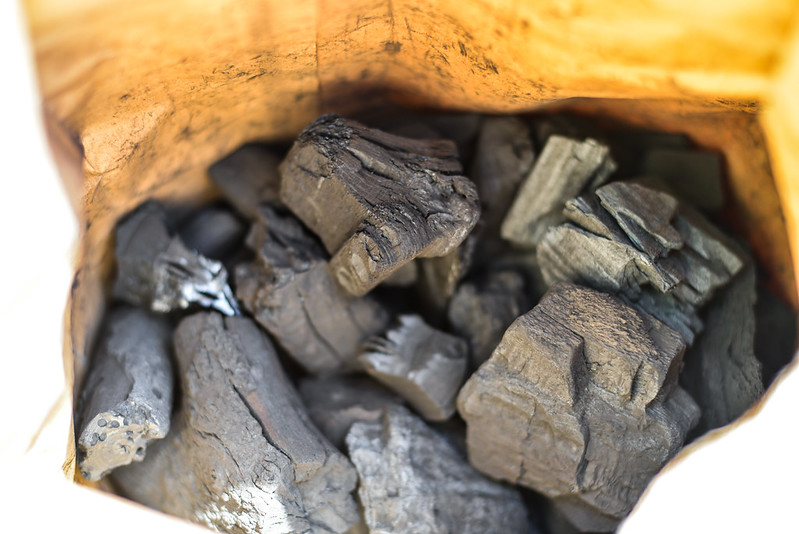
Before we can get into specifics of how each charcoal preforms, it's good to have a little knowledge of what this stuff is in the first place. Charcoal is made by burning wood in the absence of oxygen. Lump charcoal is the product of the process in its purest form—pieces of wood burned down to be chunks of charcoal.
Briquettes, on the other hand, are kind of like the fast food of charcoal; they're cheap, reliable, can be found on almost every corner, but you really don't want to know what's in them. Unlike the pure lump charcoal, briquettes are manufactured wood by-products compressed with additives that help them light and burn consistently.
COST
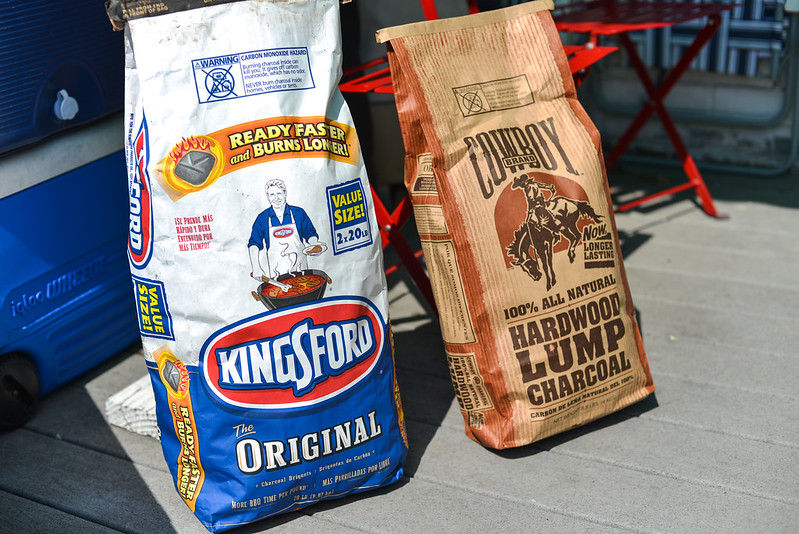
The first question you'll be presented with in your charcoal choice is cost. At the store you'll likely see that briquettes will come in much less expensive, pound-for-pound, compared to lump. In Queens, NY (where I live), I can pick up two twenty-pound bags of Kingsford briquettes for around $17 at Home Depot. Constrast that to the one twenty-pound bag of lump charcoal (Royal Oak is the common in my neighborhood) that sells for $20 and you'll quickly get an idea of the comparative price difference.
Winner: Briquettes
VALUE
Cost is just one factor though, there's also the measure of value. This is somewhat subjective as the value of using natural wood over a processed product is a personal choice that skews perceived value. So instead I'm talking simply about the fire power that comes in each bag, and in this regard, briquettes offer more burn for the buck. Since briquettes are manufactured, each one is the same shape and size, making every piece in the bag usable. In bags of lump, the charcoal comes in all different shapes and sizes, some that are so small that they fall through the charcoal grates, creating waste. The amount of these unusable bits of lump charcoal varies from brand to brand, and the bag of Cowboy I tested had very few small pieces, so it's worth trying different brands to find the best value.
Winner: Briquettes
TIME TO LIGHT
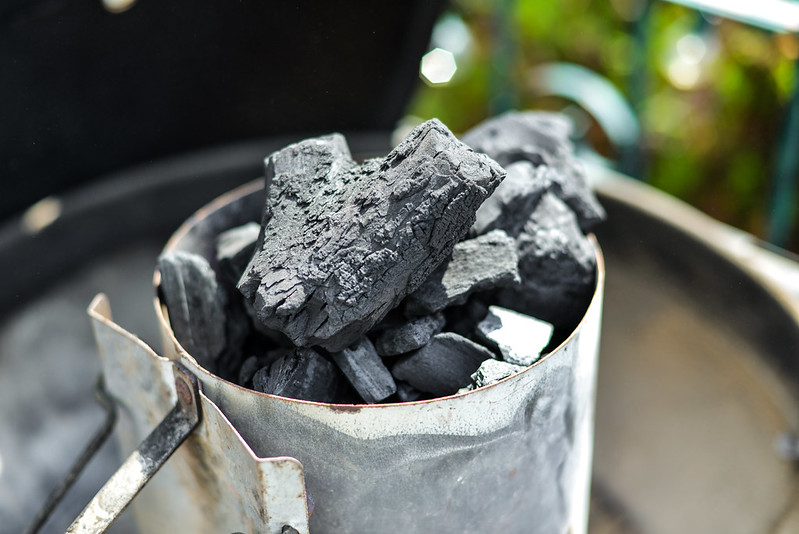
One common qualm with charcoal grills is the time to get them lit. While a gas grill just needs to be turned on and preheated for a five to ten minutes, getting a charcoal fire going takes time and energy. So the time from initial lighting until the charcoal is ready to cook—that's when it's covered in gray ash—can be important. My full chimney of lump took only 19 minutes until it was blazing hot and ready to go, while a chimney of Kingsford required 29 minutes to reach that same state.
It's also worth noting that Kingsford briquettes produce a fair amount of off-smelling smoke during this process—a by-product of the additives that help it light better—while the lump charcoal lights up nice and clean with little smoke.
Winner: Lump
COOKING HOT AND FAST
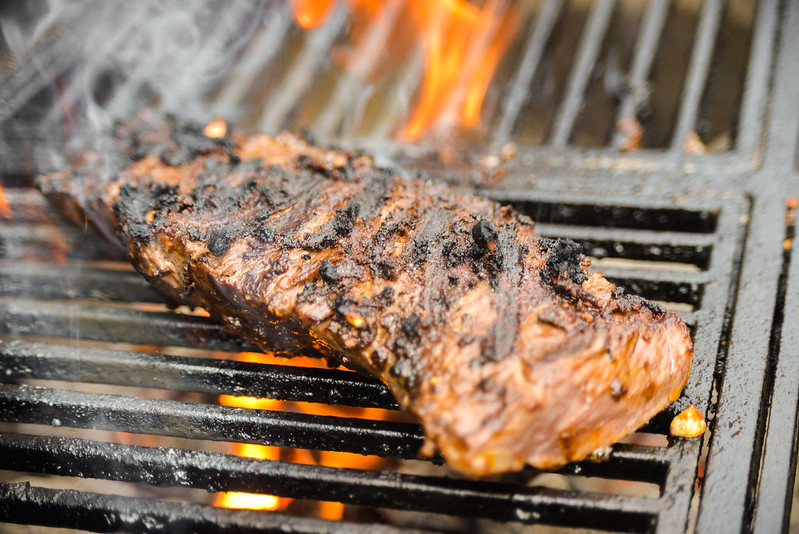
When I first poured the lump out onto the charcoal grate and covered the grill, the hood thermometer quickly shot up to 575 degrees. When doing the same with the briquettes, the highest point the thermometer got to was 500. So this means you can cook hot and fast with less charcoal using lump. This is great for anything you want to get a nice sear on like steaks and pork chops. You can reach these higher temps with briquettes, but it will require more fuel.
Winner: Lump
COOKING LOW AND SLOW
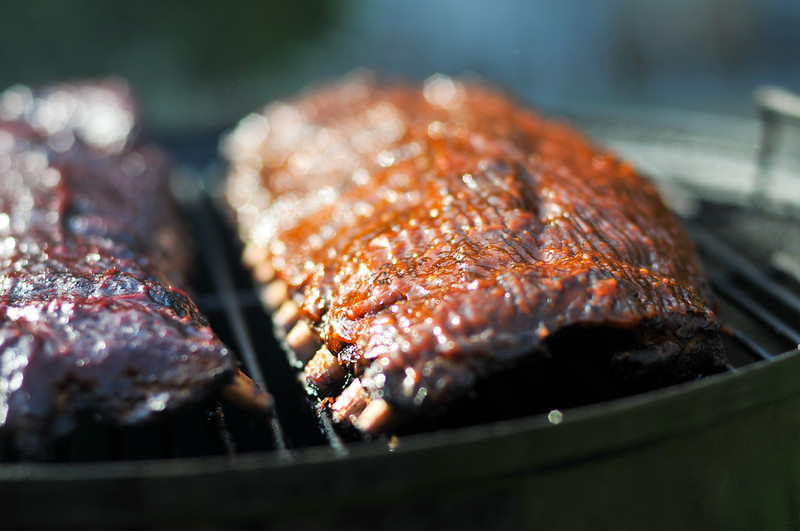
I'll preface this section with the fact that I have not done a recent proper test cooking low and slow with lump. Still, the reason I switched to using mainly Kingsford was that briquettes gave me a longer burn time at more consistent temperatures when I was first starting out with smoking years ago. These are two characteristics you want when slow cooking meat, and while you can cook low and slow with lump just fine, it'll likely take more refuels and a little more watchful eye on the temperature.
Winner: Briquettes
BURN TIME
That super hot fire comes at a cost with lump charcoal. While you'll get cooking faster and with more heat, the fire will also not sustain itself as long as with briquettes. On an uncovered grill, I get a solid 15 minutes or so of high heat performance with lump charcoal, which then starts to quickly drop, going from medium-high to low temperature in about 30 minutes. Compare that to briquettes which only sustain a really high heat for about 10 minutes, but then burns down at a nice medium-high to medium for around 45 minutes before dropping to a temperature where you'll need to refuel.
Winner: Briquettes
TEMPERATURE CONTROL
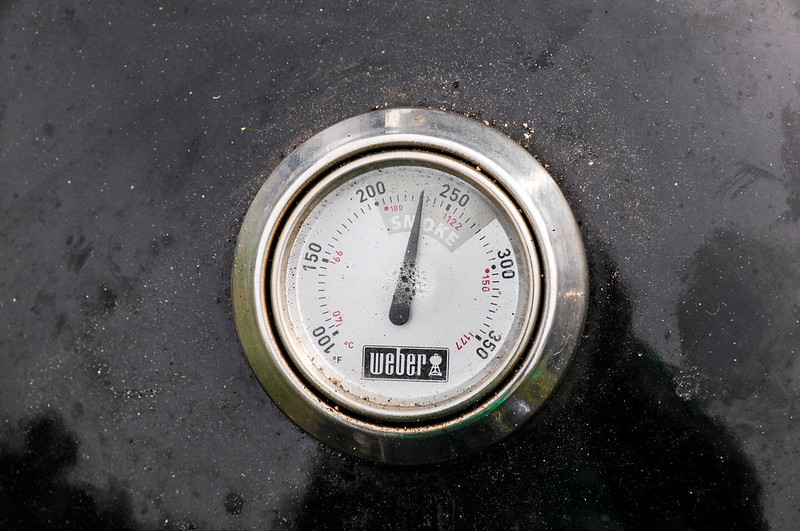
You can extend those burn times by restricting the airflow to the charcoal—the less air, the lower the temperature and the longer the burn time. This is done through the dampers on your grill or smoker and hitting that right temperature quickly can save you time and let you get more out of your fire. Briquettes take a while to respond to airflow changes—dropping a fresh fire down to the medium 350 degree range can take around 20 minutes. Lump, on the other hand, responds quickly to changes in the airflow. In my experience, lump charcoal requires about half the time as briquettes to increase or decrease temperature based on the amount of oxygen reaching the fire.
Winner: Lump
ASH PRODUCTION
So all that is good stuff for getting up and running and cooking effectively, but there's always the crap part of working with charcoal—cleaning up in the end. If you're using lump, this won't be much of an issue as it produces very little ash. I often don't have much of anything to clean up after a day of grilling with lump charcoal.
Briquettes are a whole other story—they produce an amount of ash that's maybe just under half their original volume. This can require frequent dumping of the ash catcher and a more lengthy cleanup at the end to rid the grill of all its ash before putting it away.
Winner: Lump
PARTING WORDS
As you can see, each charcoal has its own winning and losing characteristics. I still use both from time to time, bu HARDWOOD CHARCOAL t just for convenience and cost value, I'm mainly a Kingsford man. The bag of Cowboy charcoal that I used for this post has me questioning that stance though. I've been so loyal to briquettes for so long that I forgot the ease of lighting the fire with lump and the great heat it outputs, not to mention not having the deal with the chemical smell and heavy smoke that causes a couple of of my neighbors to complain when I have a fire lighting. In the end the choice between lump and briquettes going to be personal based on use, availability, and cost, but I'm betting a lot of you have your own two cents to throw into the ring on this debate, so by all means, go at it!
Contact us for supplies
AUSTSTELLA'S ENTERPRISES
auststellasenterprises@gmail.com
Facebook: AUSTSTELLA'S ENTERPRISES


Comments